

The plans, which are being shared with Spalding Town Forum this week, form part of a wider strategy to protect an important local service while preserving one of the town’s most valued heritage assets.
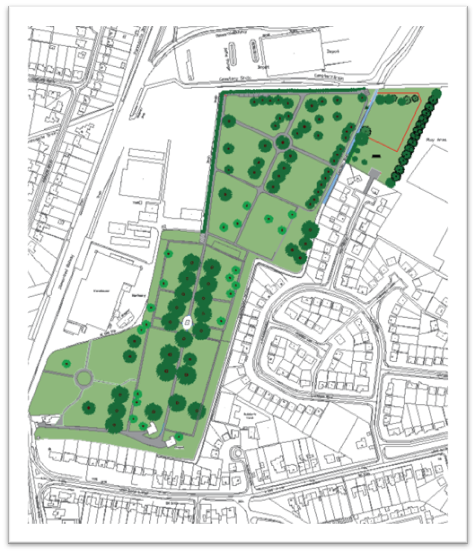
Spalding Cemetery, which officially opened in 1854, spans 20 acres and is home to more than 22,000 burial plots and over 1,400 ashes interments. With the site now close to full, the council is looking to create over 750 additional spaces that would provide capacity for more than 20 years into the future, as well as new landscaping, seating areas and native planting, and to create an improved route and formal pathway to the nearby Vernatts Nature Reserve.
While the proposals include the repurposing of nearby open amenity land near Chiltern Drive, the council has recognised the concerns of residents and ensured that the existing play area would remain unaffected, allowing families to continue to access this popular facility.
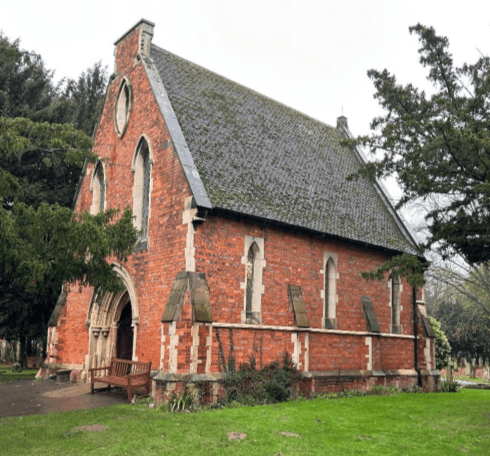
Alongside the extension, the council is proposing a £70,000 restoration programme for the cemetery's historic Nonconformist Chapel and the Johnson Mausoleum, both of which are important parts of Spalding's heritage. The planned works would help preserve these unique buildings and their architectural features for future generations, including the repair, replacement and strengthening of existing stone and brickwork.
The cemetery proposals are also being considered as part of a broader commitment to public open spaces across the town. The council is exploring the acquisition and adoption of approximately 2.64 acres of land at Wygate to be opened up for wider public use, meaning a net gain in open space for the town, and is also carrying out early work to identify opportunities for refurbishment and investment across 17 of Spalding's play areas.
Councillor Henry Bingham, portfolio holder for assets and strategic planning said: “These proposals are about taking a long-term view to do the right thing and ensure we can continue to provide this vital service for local families. These works will not only create additional capacity, but also more opportunities to reinvest in the site and other open spaces in Spalding, taking an approach that brings the most benefit to most of our residents.”