
Accommodation pods in Skegness are supporting people to take positive steps towards a more stable and independent future.
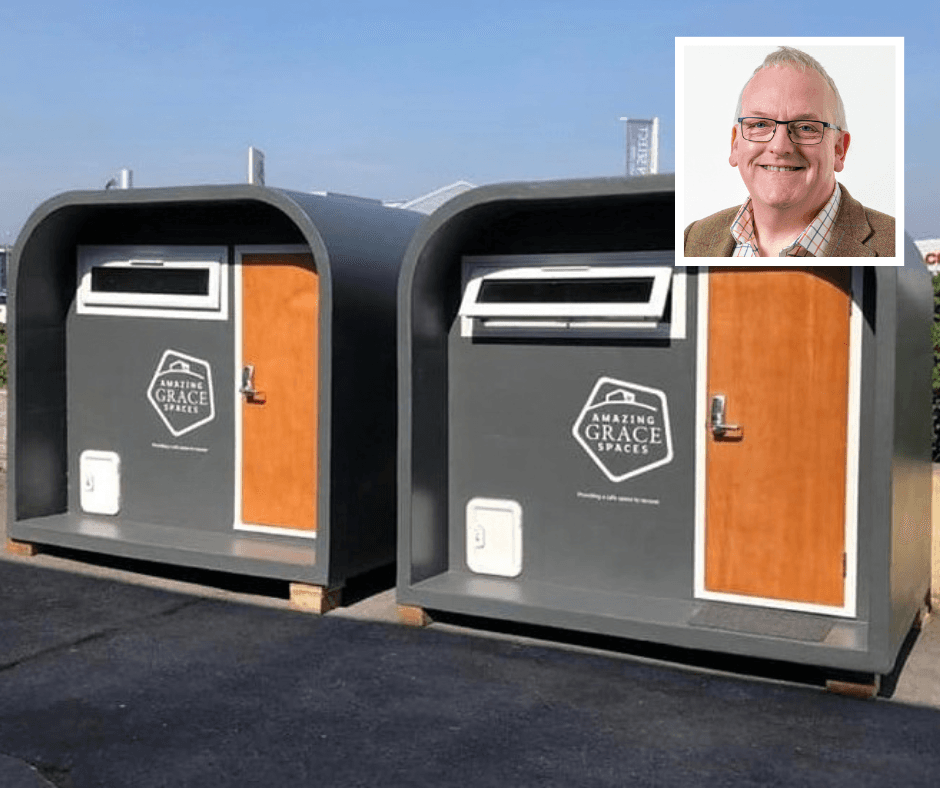
The self-contained units provide safe and dignified emergency accommodation to vulnerable people. Each unit contains a bed, toilet and charging facilities and are designed to help those where hostel-style and traditional accommodation may be unsuitable for them or declined.
Since becoming operational in January this year, the units have been well utilised and have provided accommodation for a number of individuals.
Those who use them are not only benefitting from a safe and secure space, they also receive a wide range of support from the council’s Rough Sleeping Prevention and Recovery Team, other council services and partner organisations.
One local resident used a pod after becoming homeless following a relationship breakdown and complex personal circumstances.
With support from the Rough Sleeping Prevention and Recovery Team and partner organisations, they accessed a range of services including housing support, benefits advice, health and wellbeing support. They were helped to prepare for independent living and were able to reconnect with family and their own personal support networks.
The person went on to move into supported accommodation and continues to access help from the council and partners to prepare for longer-term housing.
Cllr William Gray, Portfolio Holder for Communities and Better Ageing at East Lindsey District Council, said: “This is one of many success and life-changing stories to come from the launch on the accommodation pods in Skegness. This particular individual is now on the road to living independently with a whole range of support available to them.
“Nobody should be without a home. The pods were installed to help address homelessness in a compassionate, dignified and practical way. As part of our commitment to reducing rough sleeping, the council and its partners are continuing to look at new ways to provide accommodation and help people move into supported housing and permanent homes.
“The Access and Partnership Team is also developing longer-term routes into supported and general housing.